Sankari Model Village Development Project 2024-2025
The Sankari Model Village Development Project, implemented from April 2024 to March 2025 with a total budget of ₹1.06 crore, was conceived as a holistic rural development initiative aimed at transforming ten villages within the Sankari block into resilient and self-reliant model communities. Designed to address core needs such as water security, livelihoods, education, and access to safe living environments, the project reached 10,088 households, covering a population of 35,569 people, including 3,600 students from 20 government schools. Rooted in an integrated development framework, the initiative targeted small and marginal farmers, landless labourers, women’s Self-Help Groups (SHGs), and schoolchildren—groups that collectively form the backbone of rural life. The approach focused on strengthening natural resources, improving physical infrastructure, and empowering community institutions to manage and sustain assets. This strategy ensured not only immediate benefits but also long-term sustainability. The water conservation component was central to the project’s impact. By renovating traditional ponds, constructing and restoring farm ponds, and reinforcing check dams, the project addressed both seasonal water scarcity and the declining groundwater situation. A total of 13 major water structures were completed successfully, enabling the desilting of 13,833 cubic meters of accumulated silt and facilitating the storage of more than 1.31 crore liters of rainwater. These interventions were critical in enhancing recharge and availability throughout the year. As a direct result, nearby wells and borewells recorded a remarkable rise in groundwater levels ranging from 25 to 40 feet, significantly improving access to water for domestic and agricultural needs. More than 300 small and marginal farmers benefitted through assured irrigation for their farmlands, ensuring better cropping stability and reduced vulnerability to drought. Additionally, the construction and restoration work generated employment opportunities for several landless families, providing them with immediate wage support. Some of the rejuvenated ponds were adopted for community fish rearing, which not only enhanced local biodiversity but also created an additional livelihood source for families living near the waterbodies, thereby integrating resource management with income generation.
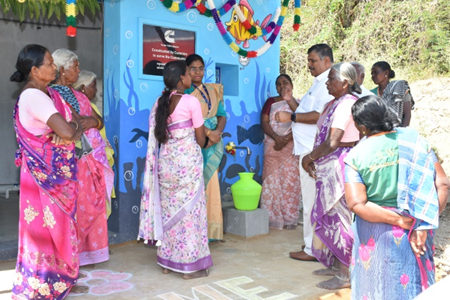
Strengthening access to safe drinking water was another major achievement of the Sankari Model Village Development Project. To address the persistent issue of unsafe water and the resulting health risks, the project installed six Water ATMs across the panchayats of Avarangampalayam, Unjanur, Chettipatti, Sathya Nagar, Chettikadu, and Veerachipalayam. Each Water ATM now serves more than 2,000 rural families daily, ensuring they receive clean and safe drinking water at an affordable rate. This intervention has contributed significantly to reducing household-level vulnerability to waterborne diseases, while easing the burden on women and children who often undertake the responsibility of fetching water from distant or unsafe sources. The Water ATM initiative was anchored in principles of community participation and sustainability. To ensure long-term functionality, six women’s SHGs were organized as Water User Groups and trained to operate and maintain the systems effectively. These groups were linked with the respective Primary Agricultural Cooperative Credit Societies (PACCS), which helped in establishing transparent fund management systems. This linkage ensured that maintenance funds are handled responsibly and that the systems continue to function smoothly beyond the project period. By placing women at the center of water governance, the project strengthened their leadership, decision-making capacity, and local financial management skills. The presence of functioning Water ATMs across the villages not only improved health and wellbeing but also demonstrated how community-owned models can create lasting impact. The reduction in travel time for water collection and increased access to hygienic water options have contributed to improved household productivity, better school attendance among children, and an overall enhancement in quality of life. Through this initiative, the project ensured that safe water—an essential foundation for health and development—was made consistently available to the entire community.
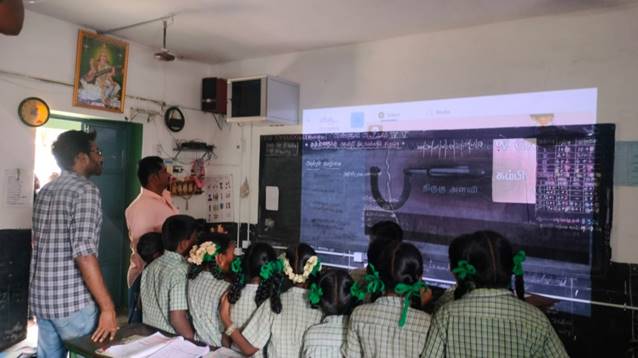
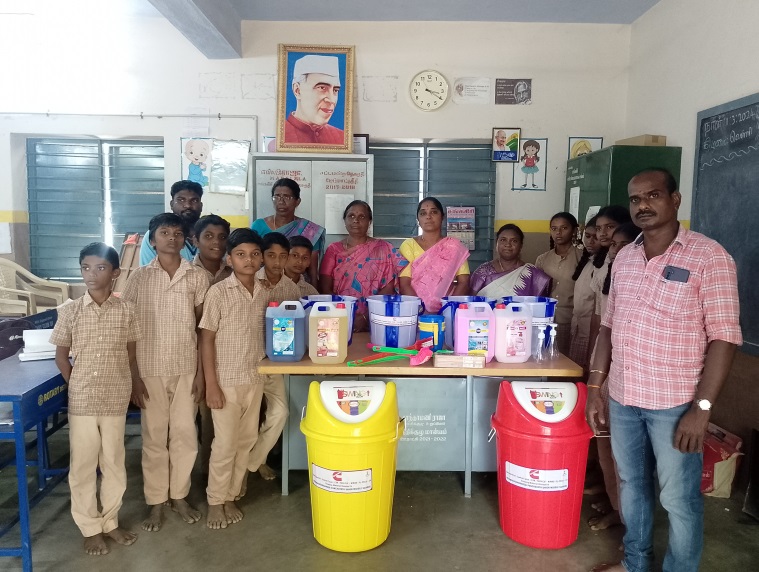
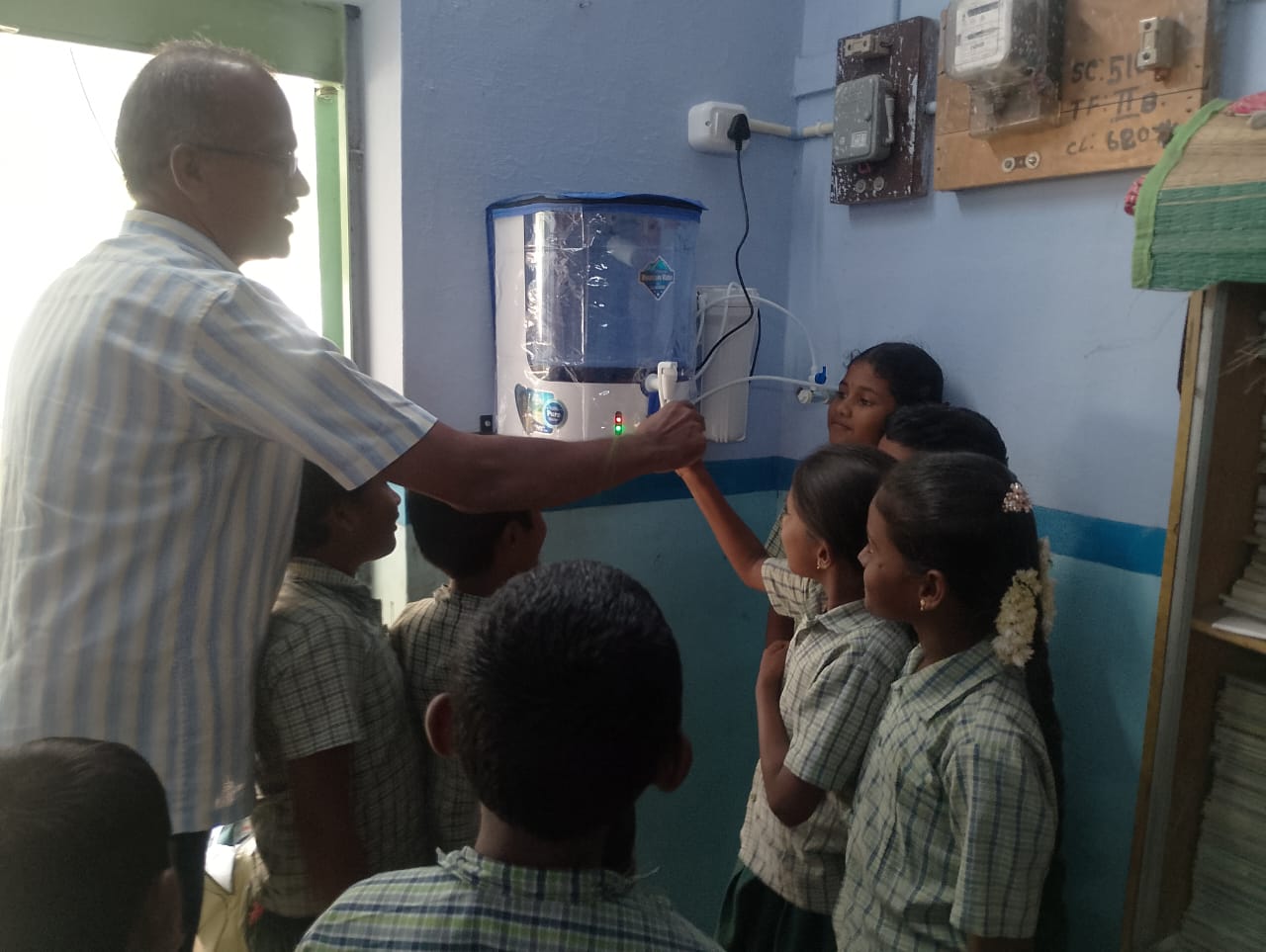
The project’s focus on school infrastructure development added another important dimension to its overall impact. Twenty government schools across the ten villages were upgraded with essential facilities aimed at improving hygiene, learning environments, and student wellbeing. The improvements included the installation of handwash stations, renovation of existing toilets, provision of RO water systems for drinking water, and supply of digital learning devices to promote interactive learning. For adolescent girls, the installation of incinerators strengthened menstrual hygiene management, ensuring privacy, dignity, and improved school attendance. To promote joyful learning, syllabus-based theme paintings were created across the schools, covering more than 6,000 square feet of educational wall surfaces. These visual learning tools made school environments more attractive, engaging, and child-friendly. Additionally, playground equipment was installed to encourage physical activity, contributing to the holistic development of children. A total of 3,600 students benefitted directly from these infrastructure upgrades. Teachers and School Management Committees (SMCs) were trained to operate and maintain the new facilities, ensuring their durability and continuous usage. To reinforce hygiene practices, SWASH (School Water, Sanitation, and Hygiene) Committees were formed in each school, supporting students in adopting healthy habits. As part of awareness building, Global Handwashing Day 2024 was celebrated with demonstrations, competitions, and school-level activities. These initiatives collectively strengthened the overall learning environment, helped build healthier campuses, and encouraged better hygiene practices among students. By improving school infrastructure and promoting behaviour change, the project ensured that students have access to safe, clean, and supportive environments that contribute to better educational outcomes and long-term personal development.