Sankari Model Village Development Project (2025–2026)
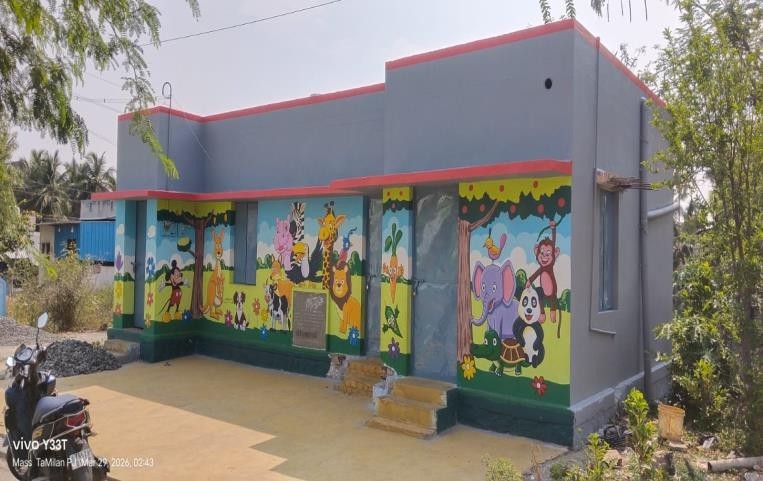
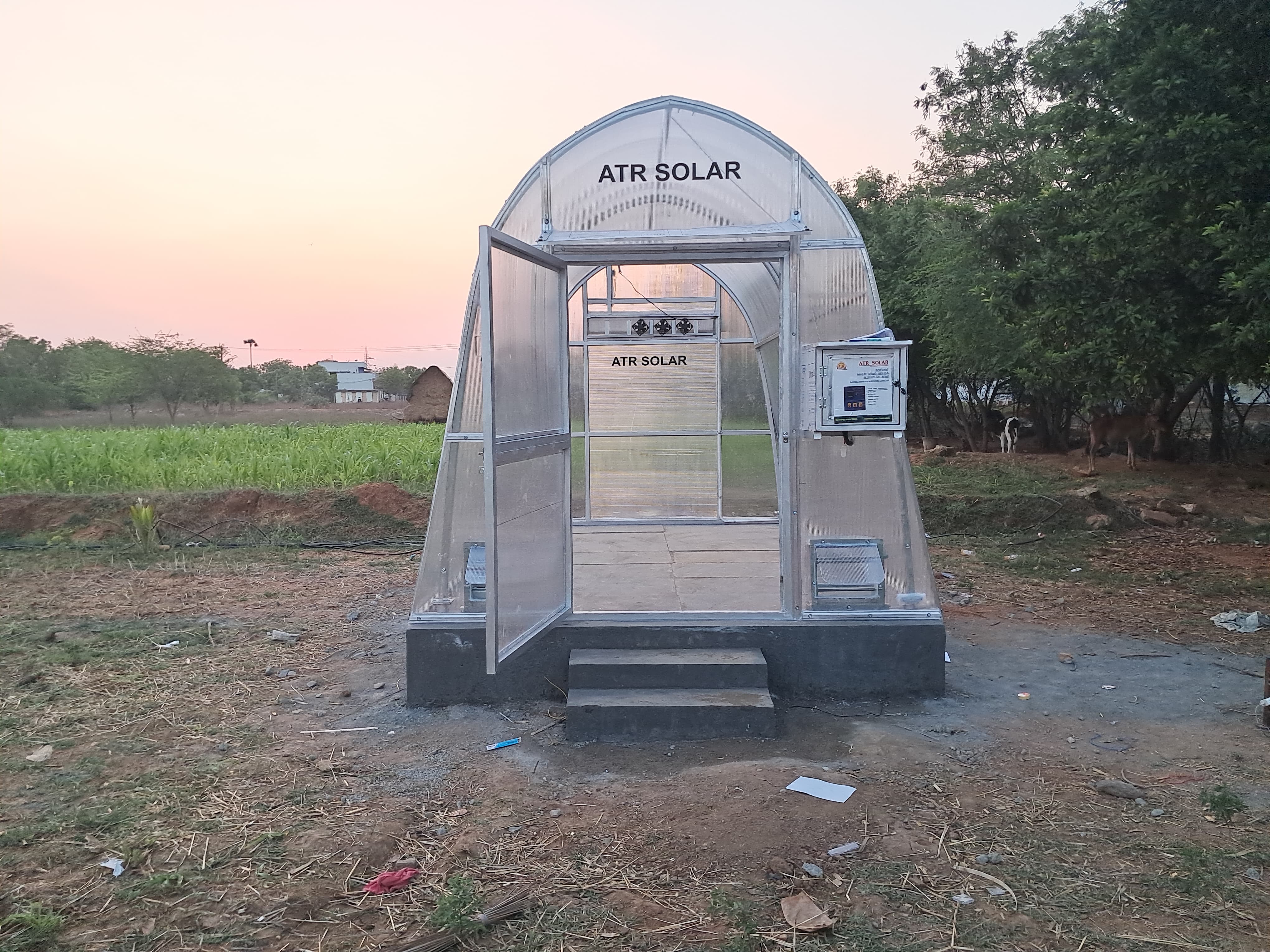
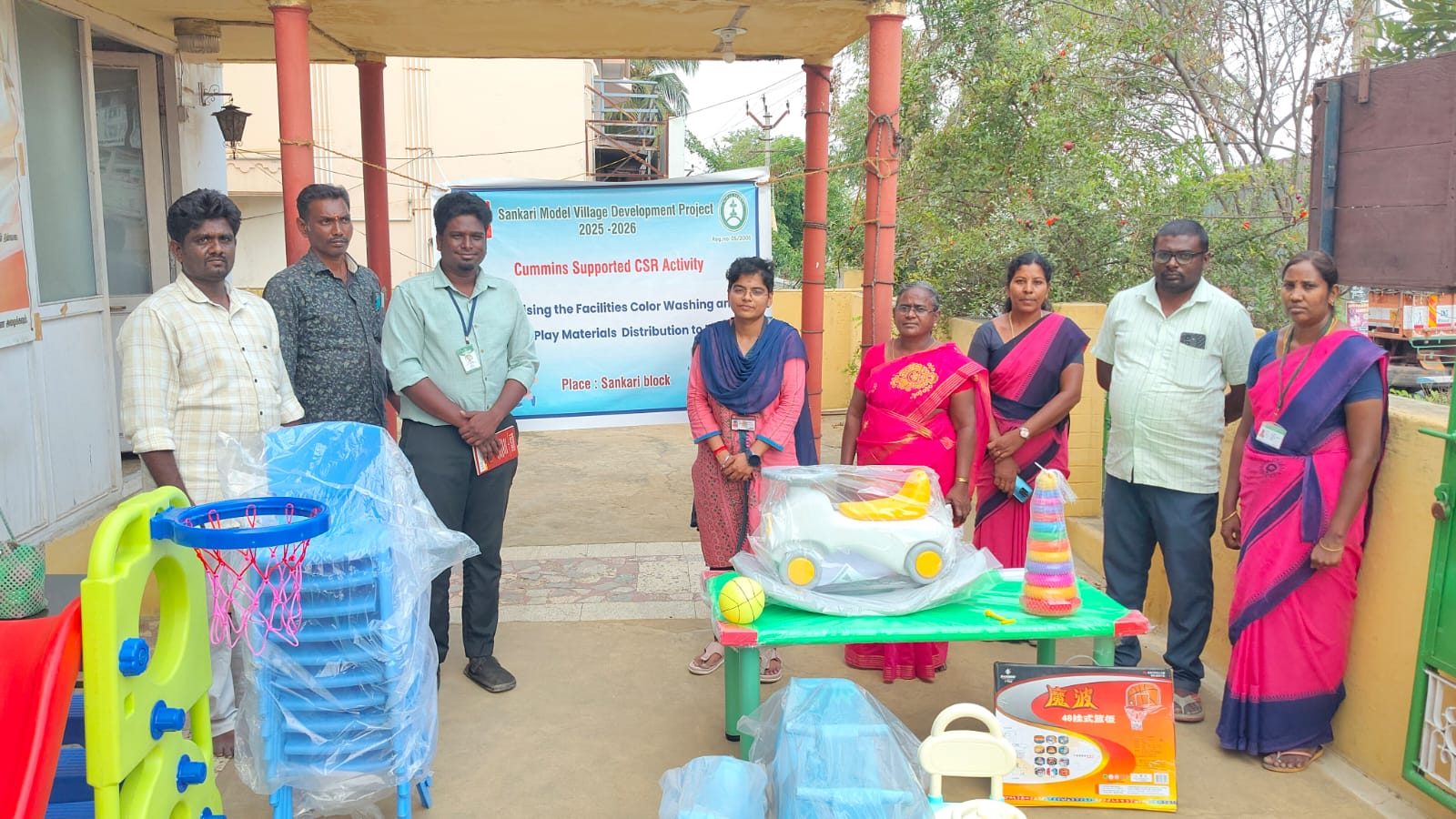
A second major pillar of impact emerged through the holistic strengthening of government schools, Anganwadi centres, and public health infrastructure in the project villages. The project strategically invested in transforming learning spaces into safe, child-friendly, hygienic, and inclusive environments, directly benefiting more than 600 schoolchildren across primary and middle schools. Critical infrastructure gaps such as unsafe toilets, lack of handwashing facilities, damaged classroom floors, broken compound walls, inadequate drinking water systems, and insufficient classroom storage were addressed through systematic improvements. The creation of gender-segregated sanitation blocks, handwashing stations, repaired classrooms, improved electrical fittings, and child-friendly learning aids has significantly contributed to a reduction in absenteeism—especially among adolescent girls—by promoting better menstrual hygiene and personal dignity. Anganwadi centres serving 200+ preschool children were upgraded with safe flooring, teaching-learning materials, child-safe furniture, and improved drinking water access, creating a nurturing environment for early childhood development. To address the critical issue of water contamination, the project installed Water ATMs equipped with RO purification technology, ensuring reliable access to safe drinking water for over 1,200 residents. These machines have reduced incidences of water-borne illnesses, decreased household expenditure on tanker water, and strengthened community health outcomes. Regular health awareness sessions, hygiene education in schools, and community training on water handling practices have reinforced behavioural change, especially among women and adolescent girls. Improved school infrastructure has revitalized student engagement, teacher motivation, and parental trust in government education systems. The introduction of digital learning tools, library support, and improved learning materials has set a strong foundation for academic enrichment and digital readiness. Together, these interventions have not only improved educational outcomes but have enhanced the dignity, safety, and wellbeing of some of the most vulnerable children in the region. The project demonstrates how school infrastructure development, combined with safe drinking water access, can significantly uplift the Human Development Index (HDI) indicators of entire rural communities.
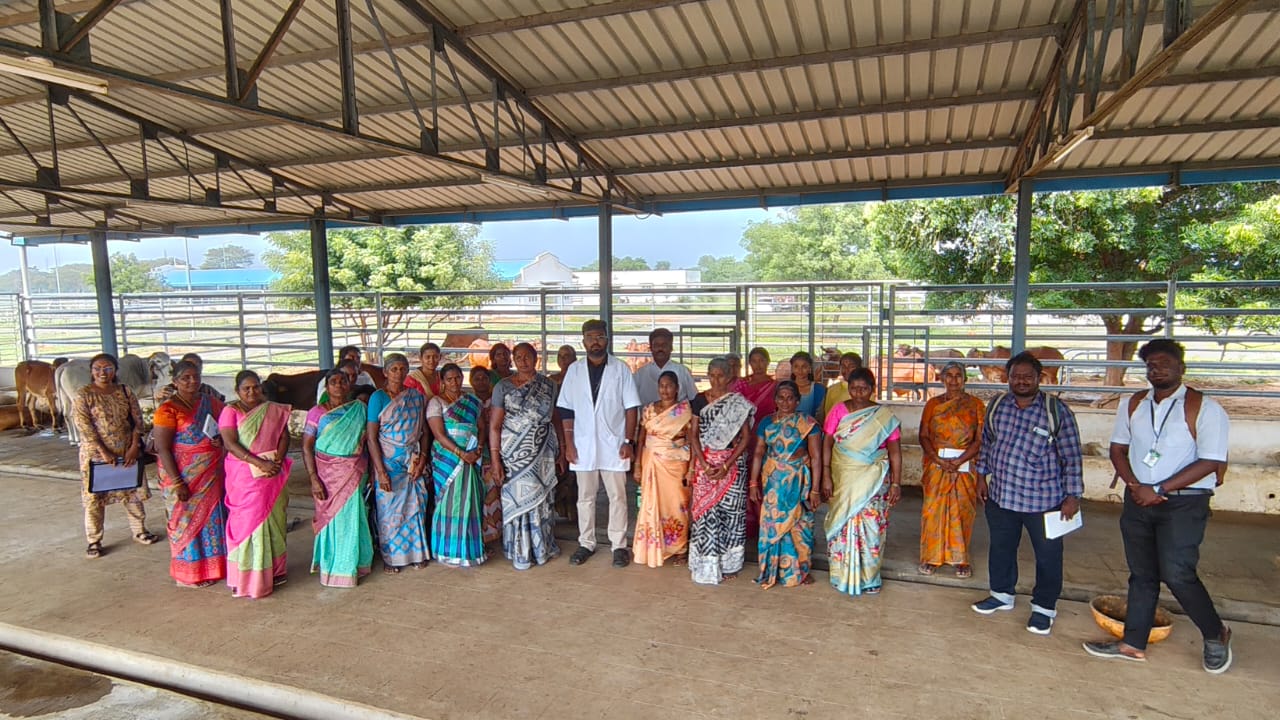
The project’s livelihood component brought transformative socioeconomic change to women, small farmers, and the often-overlooked truck driver families who form a distinct demographic along National Highway 44. Through targeted skilling, capacity building, and asset creation, the project enabled 140+ women to access structured livelihood opportunities, significantly increasing their financial independence and household decision-making power. Women dairy farmers received training in fodder management, scientific livestock care, productivity enhancement, and cooperative marketing practices, resulting in improved income from milk sales and reduced dependence on intermediaries. Many women who earlier earned ₹200–₹250 per day through seasonal farm labour have now transitioned into more consistent income streams through dairy, goat rearing, micro-entrepreneurship, and collective enterprise. The distribution of 20 goat units to vulnerable women—especially widows, single mothers, and truck driver families—created sustainable livelihood pathways and strengthened resilience during economic shocks. Awareness camps on pension schemes, health cards, PMJJBY, PMSBY, and social protection entitlements helped previously excluded families to access government benefits. For truck driver families, where male members remain away for long durations, these entitlements have drastically improved financial security, health access, and women’s confidence. Women Self-Help Groups (SHGs) engaged actively in community events, monitoring committees, and project decision-making, strengthening local governance and ownership. In addition to economic empowerment, the project generated more than 6,500 person-days of local employment through construction of water structures, ensuring that wages flowed directly into rural households. Community participation reached unprecedented levels, with village leaders, farmers, teachers, and SHG members jointly monitoring works, supervising quality, and ensuring transparency. Convergence with government departments—rural development, ICDS, agriculture, and panchayats—enabled additional resource mobilization and amplified impact. The project has therefore created not just livelihood enhancement but deep social empowerment, enabling women to emerge as leaders, caregivers, entrepreneurs, and community custodians of natural resources